


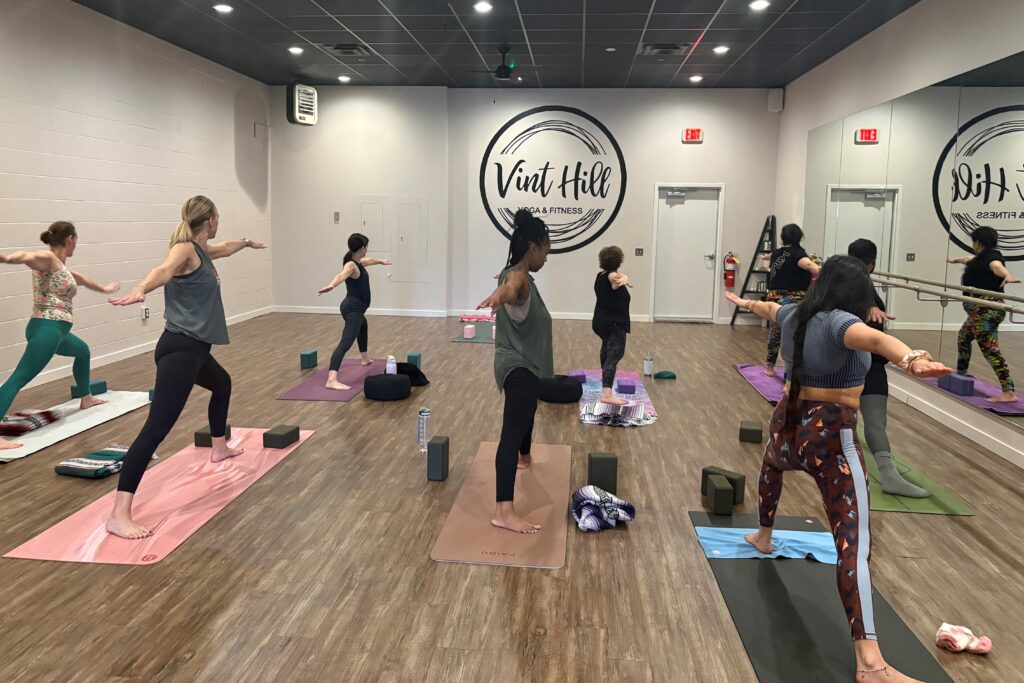
Why We Practice Heated Yoga at 85–90° (Not Hotter)
One of the most common questions we receive is why our heated yoga classes are held in the 85–90° range, rather than at higher “hot yoga” temperatures. It’s a thoughtful question — and the answer is rooted in science, safety, and sustainability.
Heat With Intention, Not Extremes
Heat can be a powerful tool in yoga. When used intentionally, it can:
- Increase circulation
- Improve tissue elasticity
- Support joint mobility
- Help muscles warm more efficiently
Research shows that mild to moderate heat allows muscles to relax and lengthen more safely, reducing stiffness and allowing for a greater range of motion — without placing unnecessary stress on the cardiovascular or nervous systems.
At temperatures above 95–100°, the body shifts into a state of thermoregulatory stress. Heart rate increases rapidly, hydration demands rise, and the nervous system may move into fight-or-flight mode. For many people, this can reduce body awareness, compromise alignment, and increase the risk of dizziness, overheating, or injury — especially for beginners, older adults, or those managing medical conditions.
Supporting the Nervous System
At Vint Hill Yoga & Fitness, we prioritize practices that support both the body and the nervous system. Practicing in the 85–90° range encourages:
- Steady breath patterns
- Greater interoceptive awareness (your ability to feel what’s happening inside your body)
- Improved focus and presence
This temperature allows students to stay connected to their breath and sensations — a key component of long-term strength, balance, and mindfulness.
Strength Comes From Intention, Not Just Heat
Higher temperatures often create intensity through environmental stress. We choose a different path.
Rather than relying on extreme heat, we build challenge through:
- Thoughtful sequencing
- Controlled transitions
- Functional strength work
- Longer, supported holds
- Breath-to-movement awareness
This approach creates strength that translates off the mat — into daily movement, posture, balance, and resilience — without pushing the body beyond its healthy limits.
Accessibility Matters
Our mission has always been clear:
Yoga should be accessible, inclusive, and sustainable for every body at every level.
By maintaining a moderate heated environment, we’re able to welcome:
- New students
- Seasoned practitioners
- Athletes
- Seniors
- Those returning from injury
- Anyone seeking movement that feels supportive rather than intimidating
The result is a practice that people can return to again and again — not just endure once.
Warm Classes (75–80°)
In addition to our heated classes, we also offer Warm classes in the 75–80° range for those who want the benefits of gentle warmth without added intensity.
Warm classes are ideal for:
- Students new to yoga or movement practices
- Anyone sensitive to heat
- Those returning after injury or time away
- Early-morning or slower-paced practices
- Students who want warmth without cardiovascular demand
At this temperature, the body still benefits from improved circulation and gentle muscle warming, while maintaining a calm, regulated nervous system.
Warm classes also allow students to tune in more deeply to alignment, sensation, and breath — without the distraction of managing heat. For some, this becomes a preferred long-term practice; for others, it’s a perfect stepping stone into heated classes. We offer Deep Stretch Warm, Slow Flow Warm and Warm Yogalates.
Choice Is Part of the Practice
By offering Warm (75–80°) and Heated (85–90°) options, we empower students to choose what best supports their body on any given day. Some days call for more warmth and movement; others call for softness, stability, and ease.
We believe that honoring those needs — rather than pushing through discomfort — is where true strength and balance are built.
Whether you prefer Warm or Heated classes, we invite you to try a practice designed with intention, accessibility, and longevity in mind.
Come experience the difference at Vint Hill Yoga & Fitness — where every body and every level truly belongs.
A Practice You Can Sustain
Our goal isn’t to see how much heat you can tolerate — it’s to help you build a practice that supports you for years to come.
When students leave class feeling energized, grounded, and capable, rather than depleted or overwhelmed, we know we’re doing something right.
Ready to Feel the Difference?
If you’re curious about heated yoga that supports strength, mobility, and mindful movement — without extreme heat — we invite you to experience it for yourself.
✨ Come try a class at Vint Hill Yoga & Fitness and feel how intentional heat can transform your practice.
Your body will tell you the difference
You got it — here’s a clean, member-facing FAQ section you can drop straight onto your website or link at the end of the blog. It’s warm, reassuring, and lightly science-based without sounding clinical or intimidating (very VHYF).
Heated & Warm Yoga FAQs
What’s the difference between Warm and Heated classes?
Warm classes are held at 75–80° and offer gentle warmth for comfort and focus.
Heated classes are 85–90°, providing deeper warmth to support mobility and strength without extreme heat.
Why don’t you offer hot yoga above 90°?
We intentionally keep classes at or below 90° to support safe movement, breath awareness, and nervous system regulation. Our focus is long-term, sustainable practice — not heat tolerance.
Will I still sweat in Heated classes?
Yes! Many students sweat plenty in the 85–90° range, especially with intentional sequencing and strength-based movement.
Which class is best for beginners or those returning after injury?
Most students feel most comfortable starting with Warm classes (75–80°), where they can focus on alignment, breath, and pacing without added heat stress.
Are Warm classes easier than Heated classes?
Not necessarily. Warm classes are often slower and more intentional, making them highly effective for balance, mobility, and recovery.
Do heated classes improve flexibility?
Heat can help muscles warm more quickly, but real flexibility comes from consistent, mindful movement, not higher temperatures alone.
What if I don’t tolerate heat well?
That’s okay. Warm classes provide the benefits of gentle heat without overwhelm, and modifications are always encouraged.
Can I alternate between Warm and Heated classes?
Absolutely. Many members rotate based on energy level, stress, or time of day. Your practice can change as your body does.
What should I bring to class?
A yoga mat, water, and a towel — especially for Heated classes. Light, breathable clothing is recommended.
How do I know which class is right for me?
If you’re unsure, our instructors are happy to help guide you toward the best option for your body and goals.
Ready to Get Started?
✨ Try a Warm or Heated class and experience movement designed for strength, balance, and longevity — not extremes.